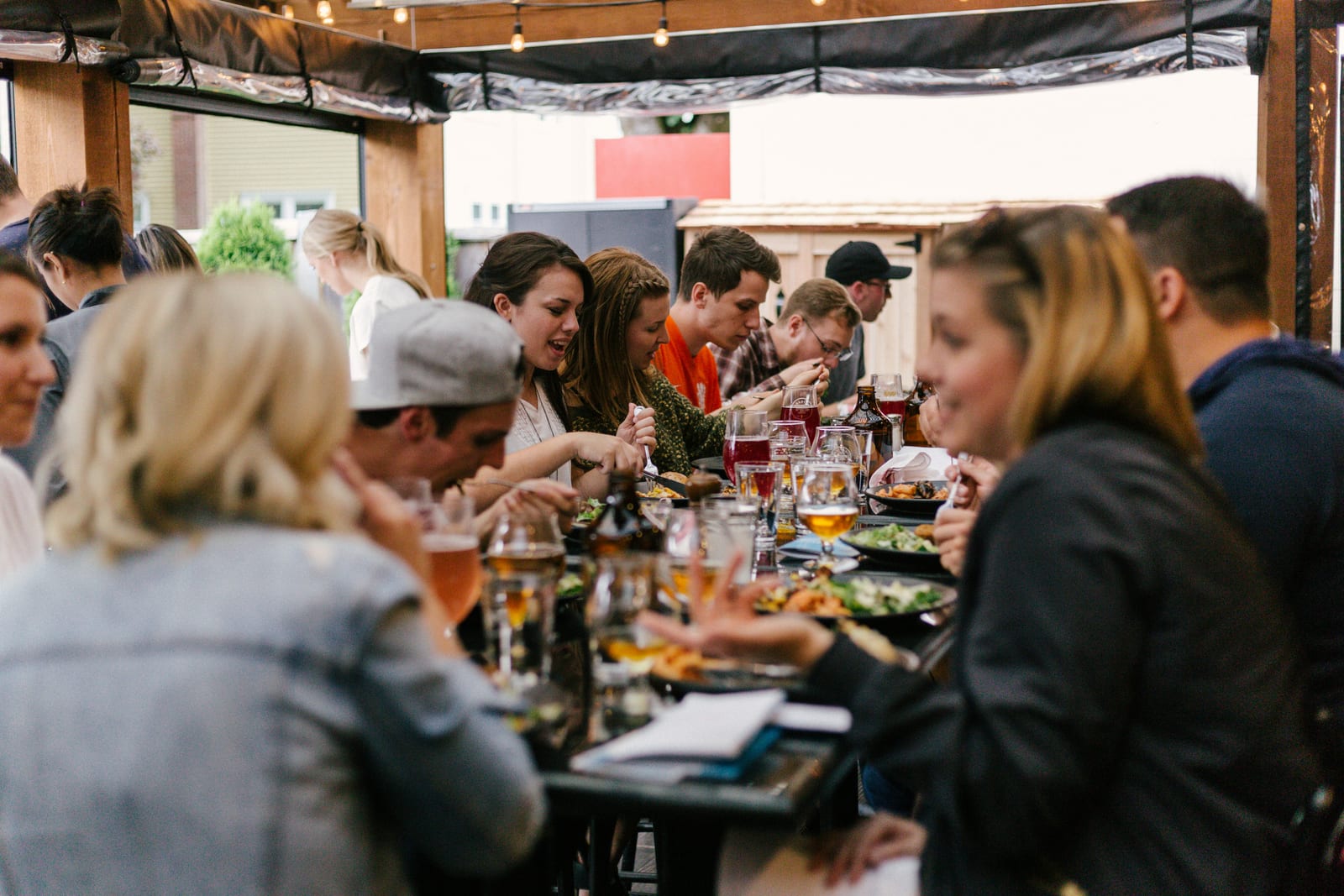
Brits are planning to eat out six times a month in 2026. Not as a treat. As a habit.
Six is a rhythm, a standing relationship between a diner and the handful of places they keep choosing. Most operators still treat each of those visits as a one-off transaction, and that's the mistake hiding in plain sight.
Read those two numbers together. People are spending more, going more often, and still expecting every visit to feel special. It looks like a contradiction. It isn't. It's a brief.
Here's where most restaurants fall down. They pour everything into the first impression, the launch, the opening-week buzz, then quietly run on autopilot once a guest becomes a regular. But a guest on their fourth visit this month isn't looking for the experience they had on visit one. Familiarity, handled badly, curdles into indifference. The drink remembered, the table they like, a small off-menu surprise: that's what stops a habit going stale.
This is where guest memory stops being a nice idea and becomes a commercial edge. You can't make visit four feel special if your business can't tell visit four from visit one. The data you hold on a regular is the raw material of every moment that makes them feel known: the note that it's their anniversary, the record that they always open with a Negroni, the flag that last time ran slightly flat.
The places that pull ahead won't be the ones with objectively the best food. Plenty of kitchens cook well. They'll be the ones that make a quiet Tuesday feel as considered as a birthday dinner.

So if your guests are coming six times a month, the test is brutally simple: what are you doing differently on visit four than you did on visit one? For most kitchens the honest answer is nothing, and the guest can feel it long before they stop booking.