The restaurant industry has a discovery problem, and it's hiding behind a follower count.
Most operators still pour their energy into the Instagram grid and the dream of a TikTok that travels. Reach feels like progress. It photographs well in a board update. But reach is rented, and it tells you almost nothing about who actually wants to walk through your door tonight. The algorithm owns that audience, not you, and it raises the rent whenever it likes.
OpenTable's 2026 data points somewhere quieter and far more useful.
Most operators read that as chaos to be managed: longer queues, frayed front-of-house, a waitlist to survive. I read it as the largest untapped CRM opportunity in the sector right now.
Look again at what each of those signals really is. A walk-in is a guest raising their hand in person. A "Notify Me" alert is someone telling you, in writing, that they want your restaurant specifically. A 29-minute wait is a measure of desire most marketers would give a limb for. This isn't noise to be survived. It's intent, freely given, and almost nobody is writing it down.
Here's the gap, in one line. The follower scrolls past and forgets you by lunch; the person on your waitlist has already chosen you.
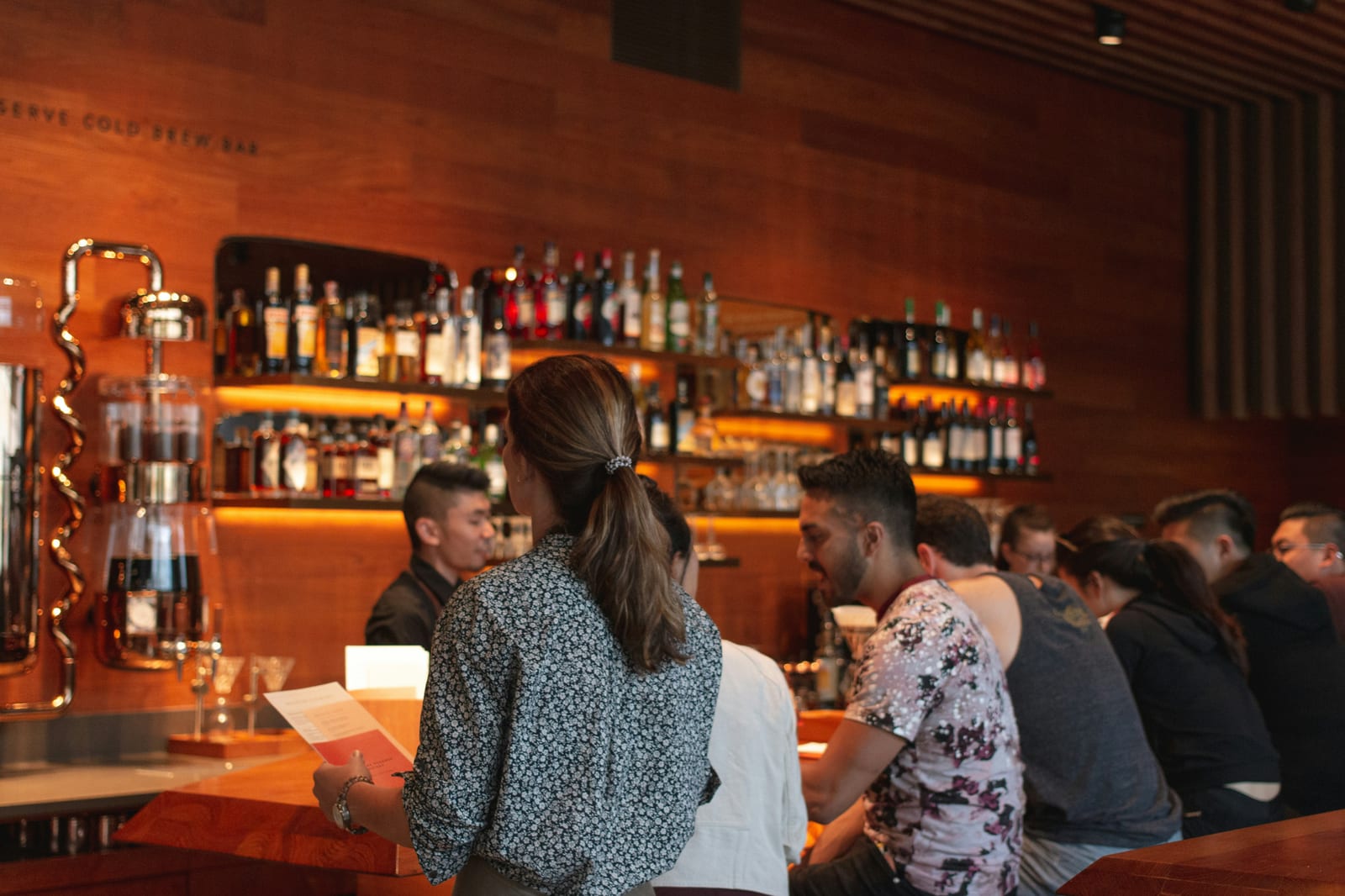
Yet most venues have no way to remember they turned up. No follow-up to the no-table-tonight guest with "we've saved you a slot for Thursday." No record that this is the third time they've tried and failed to get in. The most motivated audience you'll ever have evaporates at the host stand, every single night.
It costs nothing a follower campaign doesn't already cost, and it converts the people who were standing in your doorway rather than scrolling past it.
So here's the swap worth making. Stop chasing strangers who might one day notice you, and start capturing the people already trying to get in. Tonight, somewhere near your host stand, the most valuable audience you have is leaving without anyone taking their name.