Most operators are about to spend their next refurbishment budget on the wrong room.
Sit with that, because it cuts against everything the trade has trained itself to believe. We obsess over the menu, the sourcing, the plating, the chef, and all of it still matters. But the guest is quietly telling us they're buying something larger than the plate in front of them.
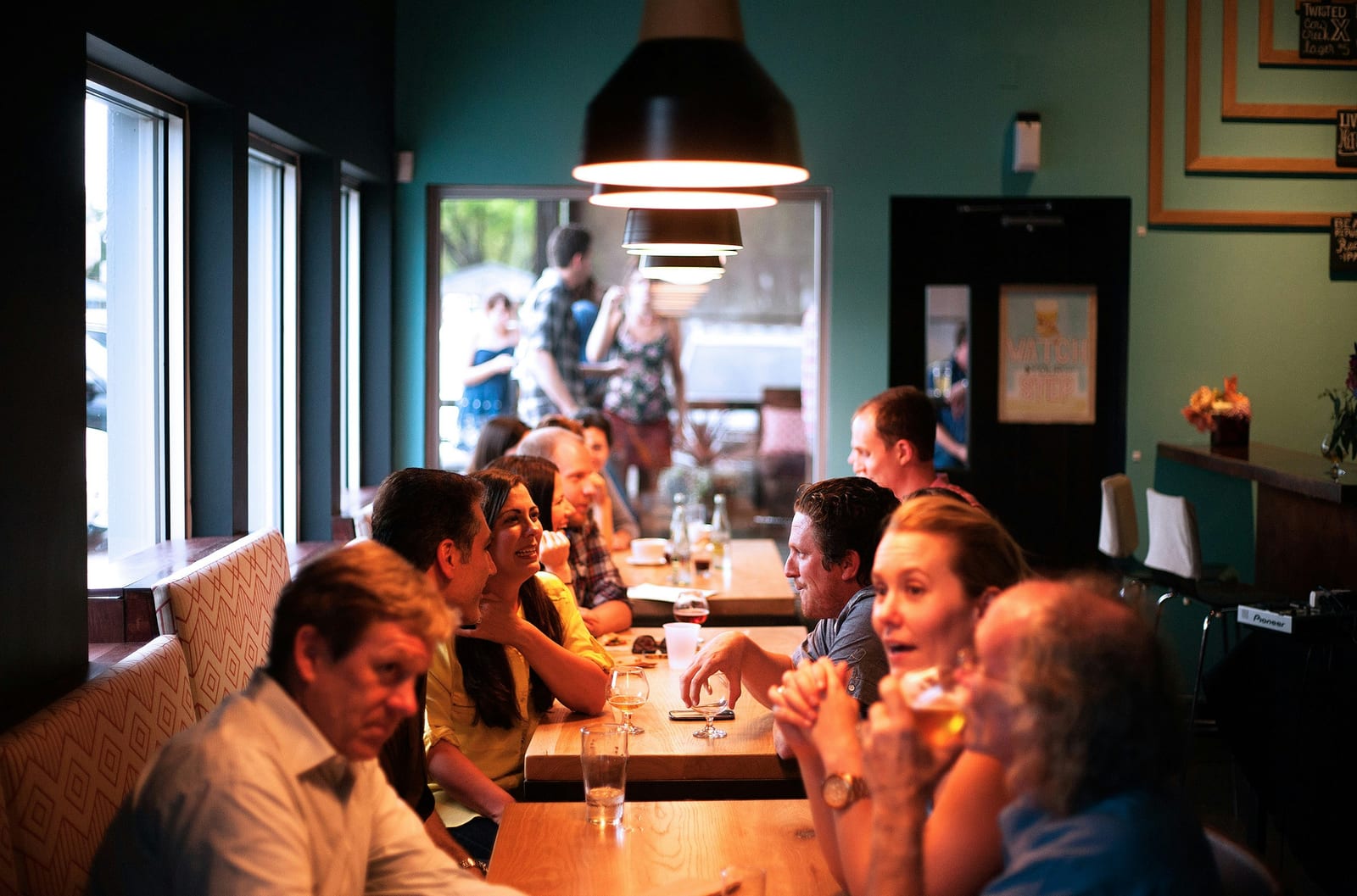
Counter seating saw the biggest jump of any format last year, up 26%. Not the discreet corner booth. The counter, where you sit close to the pass, watch the flames, and feel part of the performance. OpenTable's read on 2026 is that people have stopped booking tables and started booking moments: experiences, occasions, rooms worth photographing. The space has become part of the product, not the container it's served in.
The reason is human, not aesthetic. Nobody returns because the room was clean and the breakfast was fine. They return because something happened to them, a sense of occasion, a feeling of being somewhere alive. And they'll pay for it.
This is the opportunity hiding in plain sight. You can't easily out-cook every rival on your street, and you can't out-discount them without bleeding margin. But you can own a feeling. The lighting at 8pm. The track that lifts as the room fills. The seat that makes a solo diner feel hosted rather than tolerated. The small piece of theatre that turns a Wednesday into a story worth retelling.
The best operators already design for emotion as deliberately as they design the menu. They treat the room as their most repeatable asset, because a great dish is eaten once, and a great feeling is remembered, recommended, and rebooked.
“The kitchen will always matter. But if you want guests who come back, talk about you, and pay more to do it, the room might matter more.
Matthew Webb, Octagon Square

So walk in through your own front door tonight and feel what the room does to you. Whatever that feeling is, intended or not, it's already pricing your tables for you.